
Prostate cancer causes no pain. Around 1,500 men die of it in Czechia each year
With input from MUDr. Ondrej Kaplán, urologist.
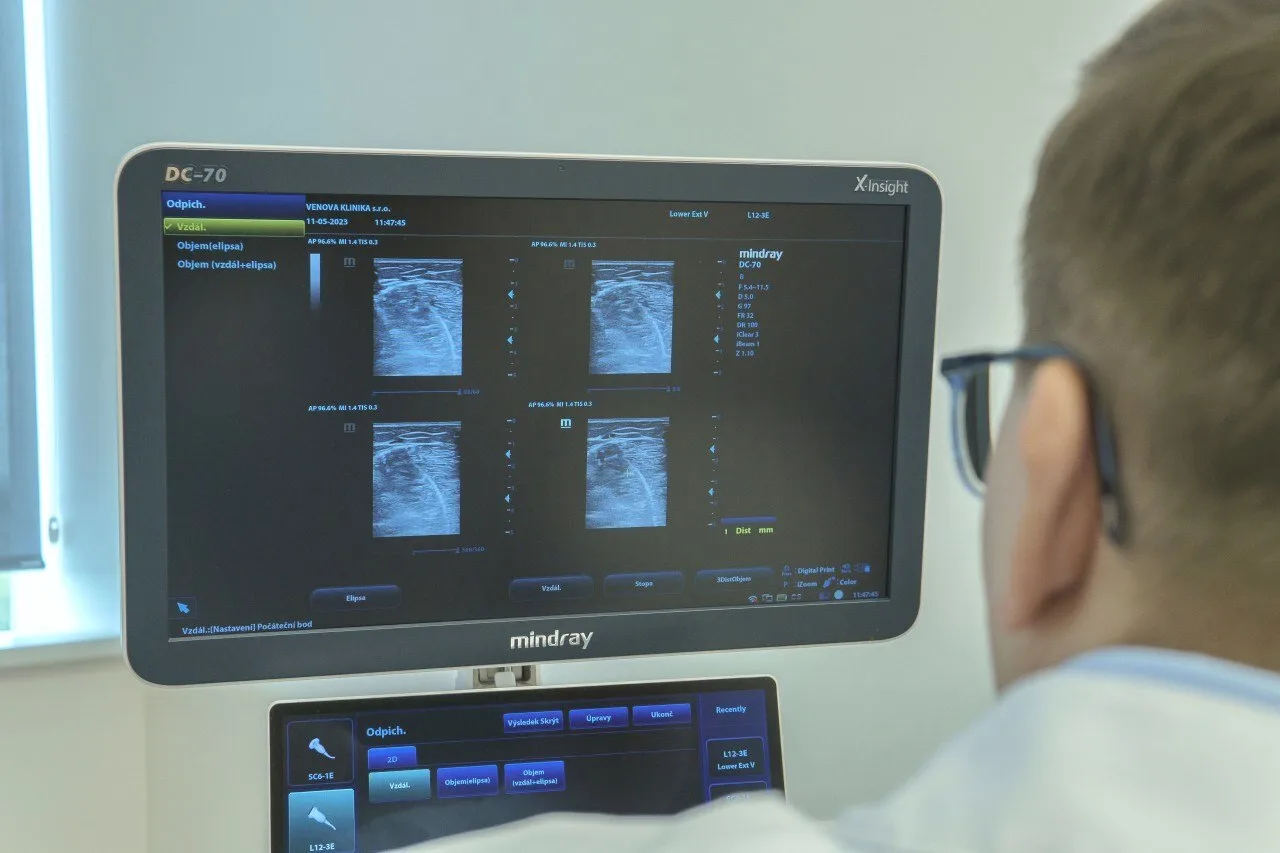
Prostate cancer has been the most common type of cancer in men for several years. According to the Institute of Health Information and Statistics of the Czech Republic, prostate cancer is diagnosed in more than eight thousand men every year. Up to a quarter of them come to a urologist too late.
Recognising prostate cancer at an early stage is practically impossible: it has no symptoms, does not hurt and causes no problems at first. Preventive check-ups with a urologist are essential for detecting it. Czech men, however, are not keen to visit urologists. According to available data, fewer than 10 percent of Czech men attend regular preventive check-ups.
"If we imagine the prostate as a citrus fruit, the tumour develops in the peripheral zone, in other words in the peel, while the urethra runs through the flesh. The tumour is therefore not in contact with the urethra and causes no problems at an early stage. That is exactly why prevention is important. We recommend a preventive prostate examination from the age of 50, and for men with a genetic predisposition as early as 40. With cancer, early detection can mean a full cure, while a late diagnosis significantly worsens the prognosis. Unfortunately, because prevention is neglected, up to 25 percent of patients come to the surgery late, with a tumour at an advanced stage," warned Ondrej Kaplán, urologist at Venova Clinic.
One of the main reasons men put off seeing a urologist is fear of the examination. That fear, however, often stems from not knowing rather than from a bad experience. Modern diagnostic methods are quick and gentle today.
"The examination is slightly unpleasant, but there is certainly no need to fear it. Diagnosis uses blood tests, namely PSA (prostate-specific antigen), a rectal examination, a urine test and, among imaging methods, magnetic resonance imaging. All these methods complement each other, which increases the chance of detecting the disease early. Thanks to screening programmes and better patient awareness, 75 percent of cancers are detected in time," said the doctor.
Although it is a serious diagnosis, prostate tumours are usually treatable well and effectively when caught early. "Treatment of prostate cancer depends on the stage of the disease, the patient's age and overall health. For tumours caught early, the prostate can be removed surgically or radiotherapy can be used to destroy the cancer cells. In some cases, so-called active surveillance is chosen, where the tumour is only checked regularly because it grows very slowly and may not pose an immediate threat to the patient. In more advanced stages, hormone therapy is used, which lowers the level of the male hormones that support tumour growth, or chemotherapy or modern targeted treatment," described Ondrej Kaplán.
The risk of prostate cancer rises with age, and most cases are diagnosed in men between 65 and 75. Although modern medicine offers effective treatment options, lifestyle plays a key role alongside preventive visits to a urologist. "Besides a positive family history, risk factors include smoking, obesity and a poor diet. A balanced diet rich in fruit, vegetables, fibre and omega-3 fatty acids plays an important role in prevention. On the other hand, excessive consumption of red meat, fatty foods and alcohol should be limited. Prevention also includes regular physical activity and sufficiently frequent ejaculation; some studies recommend around 20 times a month," the urologist concluded.